An office lunch works best when one person owns the headcount, the timing, and the handoff. The food choice can stay familiar; the coordination is what keeps a meeting from starting while half the order is still being sorted in the lobby.
Confirm who is actually attending
Begin with confirmed attendees rather than the full employee list. Include visitors, contractors, and remote teammates who will be on site. Note whether the meal replaces lunch or is a smaller addition to a meeting.
A working pizza estimate can use a flexible range, but appetite, meeting length, and side dishes matter. The party quantity guide explains how to build a lower and upper estimate without presenting a slice count as a guarantee.
For an office lunch, consider whether people will eat during a short break or remain together for a longer session. A compressed lunch may favor familiar choices that are easy to distribute. A longer event can support more variety.
Build the order around broad choices
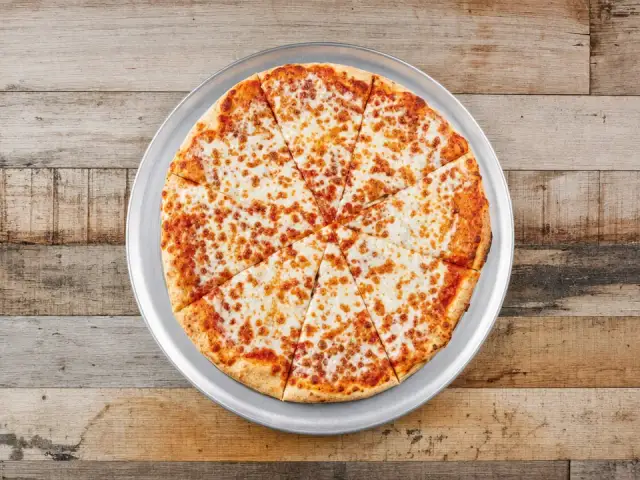
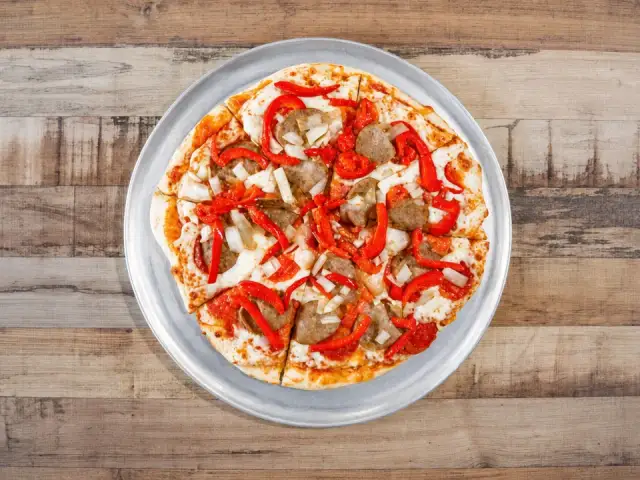
Cheese and pepperoni are a practical base because they are easy to identify and divide. Keep some cheese separate for people who do not want meat. Add specialty pizzas after the base is covered, especially when coworkers have already expressed preferences.
Avoid using unverified preference percentages. Every workplace is different. A quick internal response with three choices—cheese, pepperoni, or specialty—provides more useful information than a national statistic that may not describe the people in the room.
The current Pizza Party package can provide a clear starting point for a larger cheese-and-pepperoni order. Its active terms and price are rendered below from centralized promotion data. For a team of about 20, the office pizza delivery page shows how to order the day before for a before-noon delivery.
Ask dietary questions before ordering
Collect dietary questions early and call the restaurant when ingredients, preparation, or cross-contact matter. Do not assume a menu label answers an allergy question. Separate preferences from medical requirements so the person placing the order knows which questions require direct confirmation.
Useful questions to collect include:
- Who avoids meat?
- Are there ingredient allergies or cross-contact concerns to discuss?
- Does anyone need a non-pizza choice from the current menu?
- Should dressings or sauces be kept separate when available?
The restaurant can discuss current options, but the organizer should not promise an accommodation before it is confirmed.
Add sides with a purpose
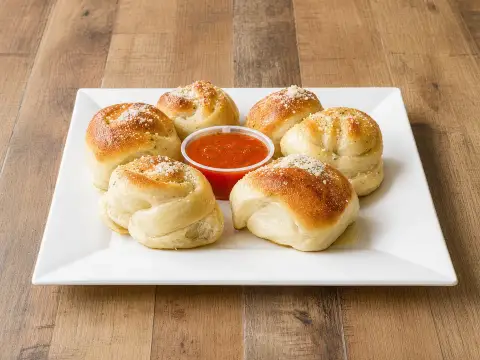
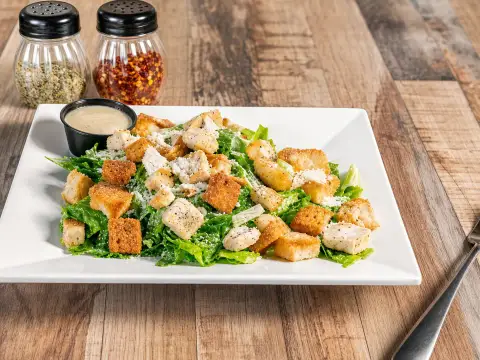
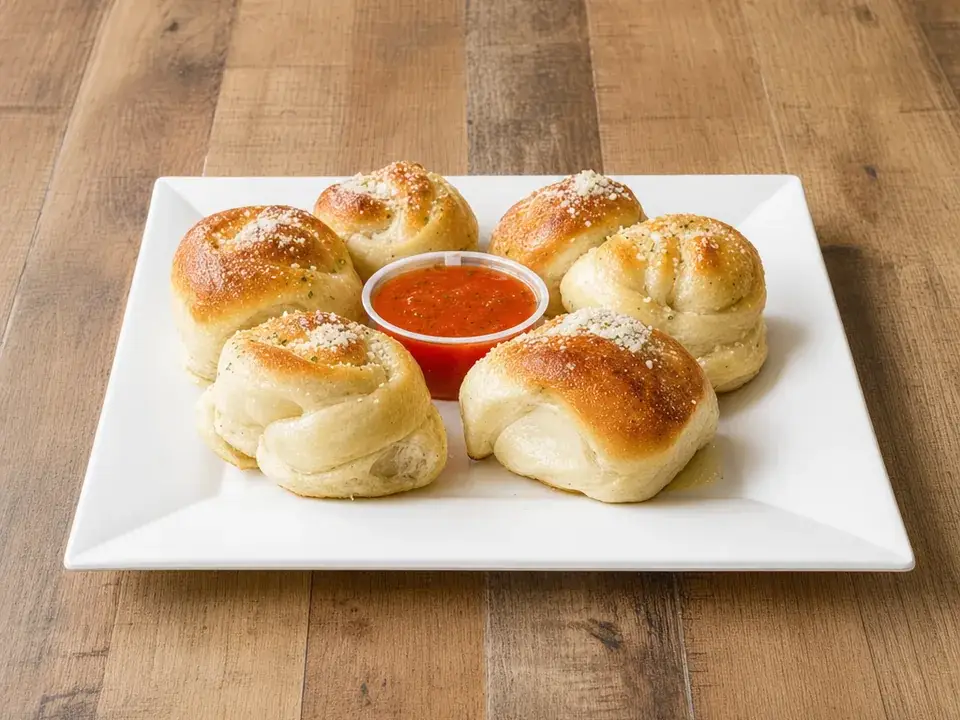
Wings can add a different protein choice. Garlic knots are a shareable side. A Caesar or house salad can add a lighter option, and cannoli or another current dessert can finish the lunch. These items should support the meal rather than make the quantity estimate impossible to understand.
Choose sides based on the meeting setup. Foods that require more serving space, utensils, or cleanup may be less useful in a small conference room than they are in a break area. Confirm what the office can receive and serve.
The menu examples below read current item names and prices from the restaurant’s menu data. Review the full current menu before finalizing the order.
Choose pickup or check local delivery
Pickup can give the organizer direct control of the handoff when someone is available to collect the order. Use the verified restaurant address and allow for the office’s own travel and parking needs.
Delivery depends on the complete office address and current availability. Enter the address in the ordering platform. If the building has a security desk, loading policy, suite number, or elevator restriction, coordinate those details within the office and provide permitted delivery instructions.
Local delivery is available within the 3-mile delivery area, subject to address and order availability. The restaurant also does not promise setup, utensils, serving staff, invoicing, or corporate discounts unless those details are confirmed directly.
Call ahead for a larger lunch
Use the group-order page and call when the order is larger, timing is important, or dietary questions remain. Be ready with the headcount, requested time, pizza mix, sides, pickup or delivery preference, complete address, and a reliable contact person.
One organized call can resolve practical questions before the meeting day and keep the final online or phone order aligned with the office’s actual needs.